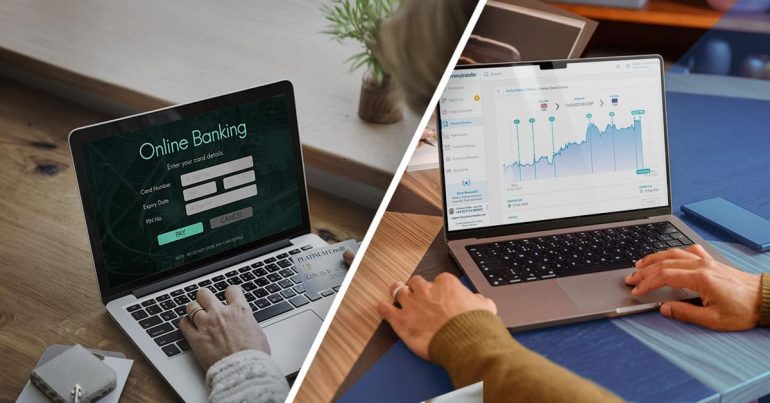
By contrast, specialist platforms typically offer near‐mid‐market rates (spreads ~0.1–0.6%) and disclose total costs upfront. Banks rely on SWIFT and correspondent banking chains, which can introduce delays and opaque intermediary fees; many FX providers use modern rails (real‐time networks, local clearing or even blockchain stablecoins) for faster settlement. This article compares all these attributes to help UK consumers and businesses decide which route suits each payment.
Get bank-beating rates — zero hidden fees
Join 10,000+ clients transferring salary, property deposits and business payments globally.


Costs and exchange rates
Traditional banks often appear to charge a low transfer fee (e.g. £10–£50) but make most of their money in the exchange rate spread. Banks commonly apply a margin of 2–4% or more above mid-market on foreign currency conversions. For example, a 3% spread on a £100,000 transfer costs £3,000 in hidden markup. By contrast, specialist FX platforms quote competitive rates close to the interbank (mid‐market) rate. Many charge only a tiny percentage (often 0.1–0.5%) on top of the mid‐market rate, plus any upfront fee. In practice, switching from a 3% bank markup to a 0.5% specialist markup on a £1m payment saves over £25,000.
These differences are backed by recent studies. Wise (a fintech provider) found UK and EU banks hide conversion fees in their exchange rates: in 2022, UK businesses lost around £5.6 billion to such hidden FX charges. The World Bank reports a typical cross-border remittance cost of around 6.5% of the amount sent (globally). By comparison, specialist providers often advertise total costs well under 1%. Bank fees can compound in multiple stages (initiation fee, spread, correspondent fees), whereas many FX platforms bundle costs transparently or charge only a small fixed fee plus a small margin.
Payment speed and rails
Traditional bank transfers usually use the SWIFT correspondent network. Even with SWIFT GPI, which has sped up messaging, transfers often take 1–5 business days, depending on corridors and time zones. (SWIFT GPI now sees ~60% of payments delivered under 30 minutes and most under 24 hours, but there can still be delays if cut-off times are missed or manual checks intervene.)
The power of specialist platforms
Many fintech transfers arrive within 1–2 business days (often much faster) and provide end-to-end tracking. Specialist platforms often optimise routing for smoother processing. Some even offer instant transfers via card/wallet networks (for smaller amounts) to get funds there in minutes. For speed-critical payments, a fintech option may outperform a high-street bank.
Limits and size/frequency suitability
Most UK banks allow any business to send cross-border payments subject to anti-money-laundering checks, but they may impose minimum transfer sizes or flag large/odd transactions for review. In contrast, specialist FX providers typically have minimum amounts (often quite low – e.g. £100–£500) and can handle very large transfers (millions at a time) with few restrictions. Actually, many currency brokers specialise in big deals – they often quote volume discounts or tiered pricing.
For very small transfers (a few hundred pounds), some banks or P2P apps might seem convenient, but they are usually more expensive proportionally. Conversely, for large or recurring payments, specialist platforms tend to offer better rates and dedicated account managers. In practice, high-volume businesses and importers/exporters often prefer specialist brokers (who can lock better spreads), while a one-off small remittance might be routed via a bank if convenience outweighs cost.
Hedging tools and multi-currency accounts
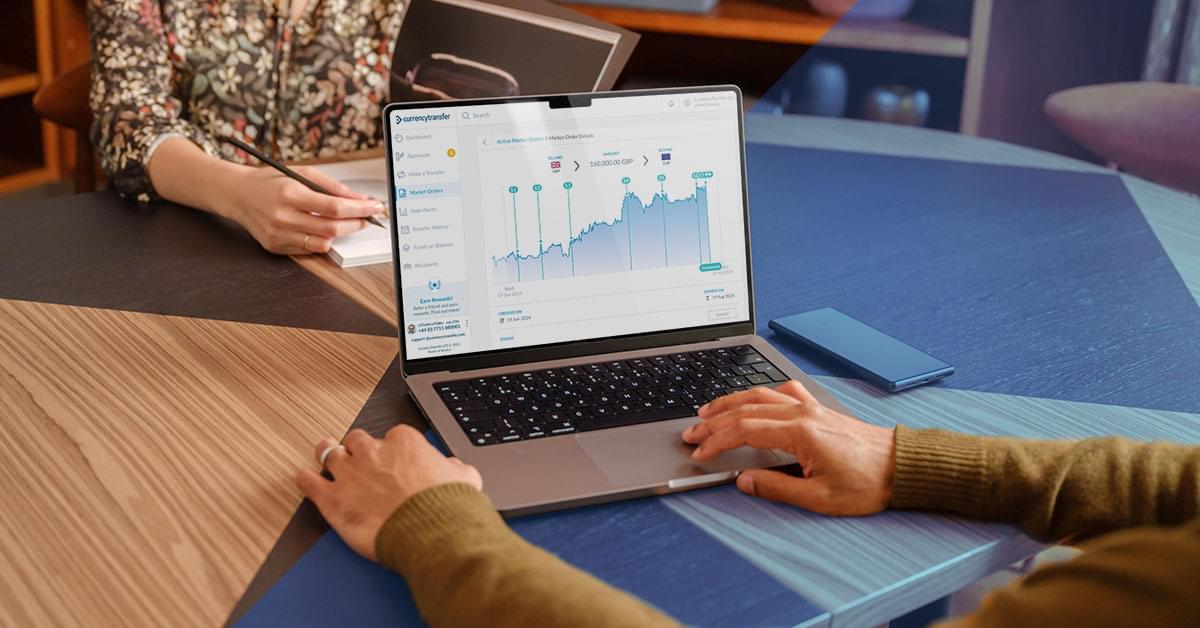
Specialist FX platforms usually offer a richer toolkit for managing currency risk. Standard products include forward contracts (lock a rate up to 1–2 years ahead) and limit/market orders (book when a target rate hits). Banks do offer hedging (forwards, swaps, options) but often only to larger corporates and with larger minimums. Many SMEs find FX providers easier: forwards may be available from a few thousand pounds, and platforms often provide simple web interfaces or alerts.
Additionally, multi-currency accounts are a specialty of fintechs: you can hold balances in EUR, USD, etc., and transfer locally when rates are favourable. Some banks have multi-currency accounts (often for premium accounts), but fintech ones (like CurrencyTransfer’s network partners) typically allow flexible multi-currency wallets with low fees. For businesses paying suppliers in the same currency regularly, keeping funds “on deposit” in that currency (then transferring when needed) avoids repeated conversion costs.
What to check before sending
A checklist to help you decide which route is best for your transfer:

Compare fees and rates
Always request a quote from both your bank and a specialist. Look at the real FX rate. Remember, a “free” bank transfer can mask a 2–4% spread. Use online tools (Google Finance or aggregator sites) to reveal hidden markups.

Transparency
Ensure the provider shows the rate and breakdown of charges upfront. The new regulations require disclosure, but not all banks fully comply. A platform that quotes you the mid-market rate side-by-side is preferable.

Speed vs cost
Decide if you need speed. Real-time or GPI transfers can cost a bit more. Many specialists offer a 1–2 day settlement for standard pricing; you may pay extra for same-day or instant. Table 1 above highlights typical speeds.

Payment route
Ask which rails will be used. Some corridors have local solutions (e.g. FP in the UK to FP in Brazil via PIX bridge). Using local rails or stablecoins can cut costs and time.

Hedging needs
If exchange-rate risk matters, compare available tools. Specialists often allow forwards from small amounts and no fees; banks may limit forwards to large clients.

Multi-currency holding
If you pay recurring bills in foreign currency, a multi-currency account or e-wallet can save repeat conversion fees.

Regulation and security
Verify the provider’s licence. FCA-regulated brokers keep funds in approved banks. Deposit insurance differs: only bank accounts have FSCS cover; e-money accounts are protected by segregation rather than insurance.

Customer service and integration
If you want API access or 24/5 chat support, check what’s on offer. For critical payments, an expert account manager can be invaluable.
Caleb Hinton
Caleb is a writer specialising in financial copy. He has a background in copywriting, banking, digital wallets, and SEO – and enjoys writing in his spare time too, as well as language learning, chess and investing.