
A SEPA transfer is a euro-denominated bank transfer between accounts in the Single Euro Payments Area (SEPA). SEPA is a Europe-wide initiative led by the EU and European Payments Council that standardises euro transfers across member countries. The goal is simple: sending euros between European accounts should be as quick and easy as sending money to another person in the same country. Today, SEPA includes 36 countries (the 27 EU members plus the UK, Norway, Iceland, Switzerland, Liechtenstein, Monaco and others).
What is included in SEPA
Under SEPA, all participating banks use common formats and rules for euro transfers. Every SEPA transfer must use the recipient’s IBAN (International Bank Account Number), and typically the BIC/SWIFT code of their bank. You also provide the recipient’s name and payment reference. Importantly, SEPA transfers can only be in euros. If you try to send a different currency, it will not be a SEPA credit transfer, but a normal foreign exchange transfer.
Does SEPA cover other currencies?
SEPA covers countries that use other currencies too. Denmark and Switzerland, for instance, have their own currencies but still participate in SEPA. The United Kingdom remains in SEPA, so UK banks can send and receive euros under SEPA standards. This wide coverage means that if you live or travel in Europe, a SEPA bank transfer is often the easiest way to send euros to family, pay European bills, or move money between your own accounts. As of 2021, SEPA handles over 43 billion euro transactions each year across these 36 countries.
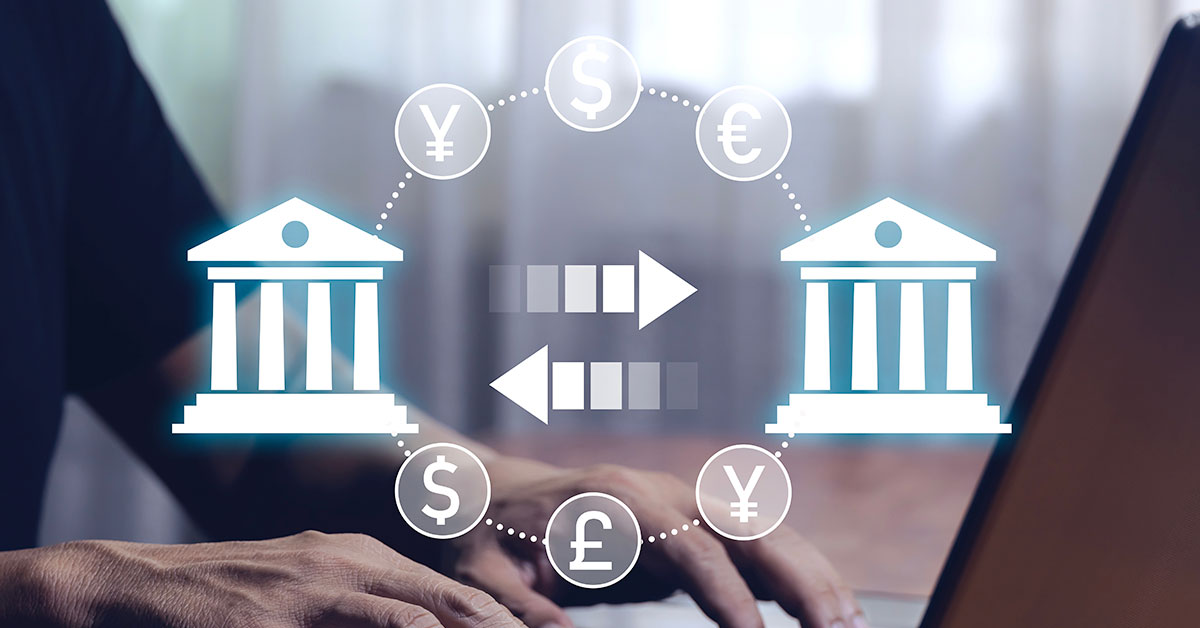
Preparing a SEPA transfer
Who can use SEPA: Any private or business bank account in a SEPA country can send or receive SEPA transfers as long as the money is in euros. You don’t need a special “SEPA” account – just a normal euro account with a participating bank.
Required information
To make a SEPA transfer, you must have the payee’s full name, their IBAN, the BIC of their bank, and the amount in euros. You will also typically enter a payment description. In many online banking systems, once you enter a valid IBAN, the BIC is filled in automatically.
How to initiate
Nearly all SEPA transfers are done via internet banking or a banking app. Log in, choose “New transfer,” select euros, and fill in the details. After checking everything, you confirm the payment (often with a PIN or one-time code). EU law requires that the transfer arrive by the next business day. In practice, many SEPA payments clear on the same day or overnight.
You can also make a SEPA transfer on paper at a branch. Because of processing time, paper transfers can take an extra day or two. Both online and paper transfers use the same SEPA network and rules.
Speed and cost
One major benefit of SEPA is speed. Whether you send euros across town or across borders, the recipient’s account must be credited within one business day. In practice, funds often arrive the next morning.
Another key advantage is low cost. SEPA payments must be charged no more than domestic transfers. In many cases they are free of charge for customers or incur only the standard fee for a local transfer. The only cost would typically be a normal transaction fee or currency conversion if your account is not in euros.
Benefits and example
Uniform standards
SEPA means you always use the same format (IBAN/BIC) no matter which country you send to.
Security and traceability
SEPA transfers include references, so you can track payments. The system is well-regulated by the European Payments Council and central banks.
Convenience
If you make frequent euro payments across Europe – rent, salaries or invoices – SEPA simplifies everything.
A UK business paying a French supplier €1,000 simply goes online, chooses “send euros,” enters the supplier’s name and IBAN, and possibly the BIC. They add a payment reference and submit. The money will reach the French supplier’s euro account by the next morning at the same cost as a domestic euro payment.

Summary
A SEPA transfer is a standard euro bank transfer within Europe. To make one, you need the usual bank transfer details – name, IBAN, BIC – and you should send the money in euros. The main advantage is that it is fast (next-day delivery) and usually free or low-cost, just like paying someone in your own country, even though the money crosses borders.
Caleb Hinton
Caleb is a writer specialising in financial copy. He has a background in copywriting, banking, digital wallets, and SEO – and enjoys writing in his spare time too, as well as language learning, chess and investing.